How to Learn to Drift in Buenos Aires from Scratch
 By Dmitrii McCarthy
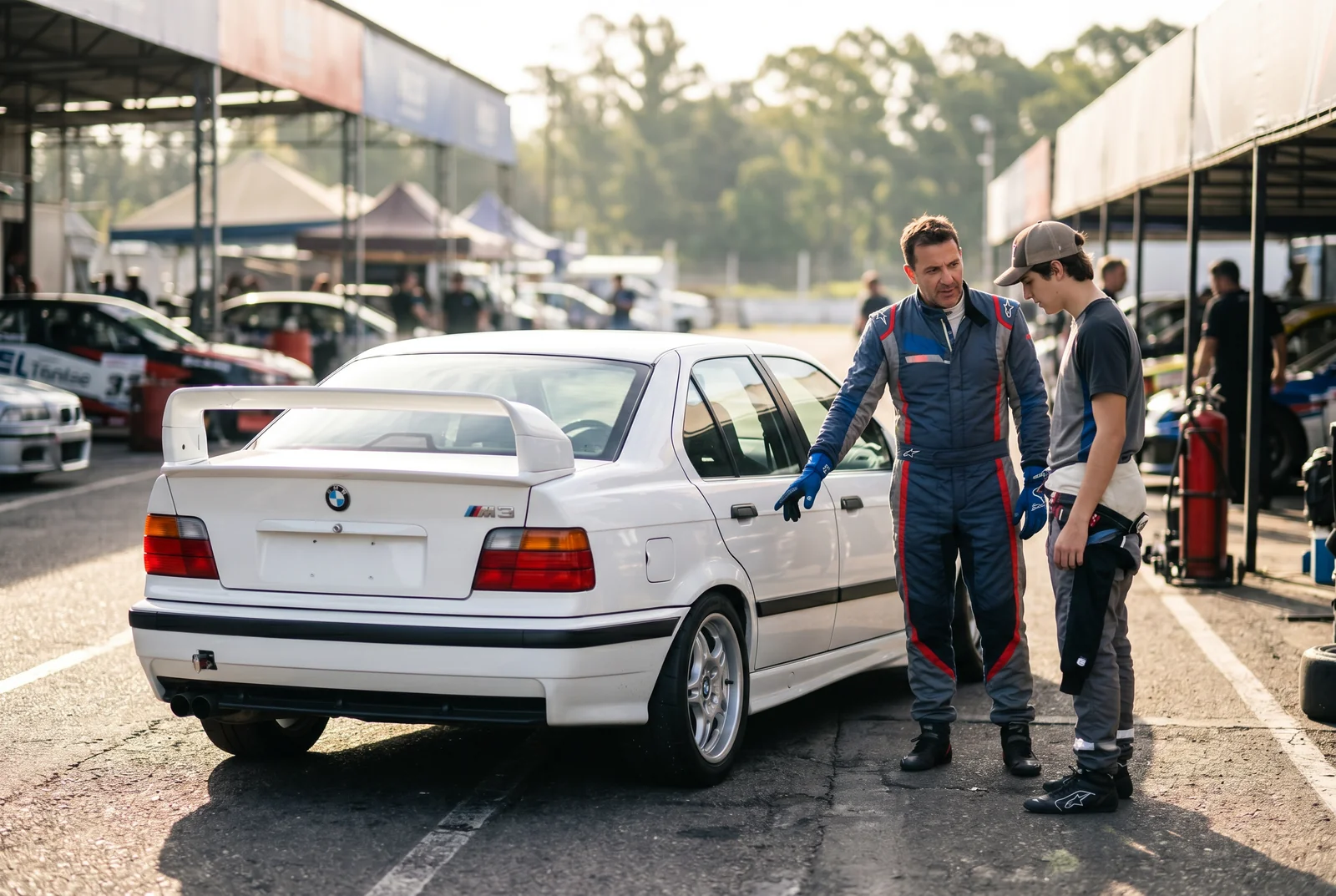
Want to learn drifting in Buenos Aires? Here is everything you need to know
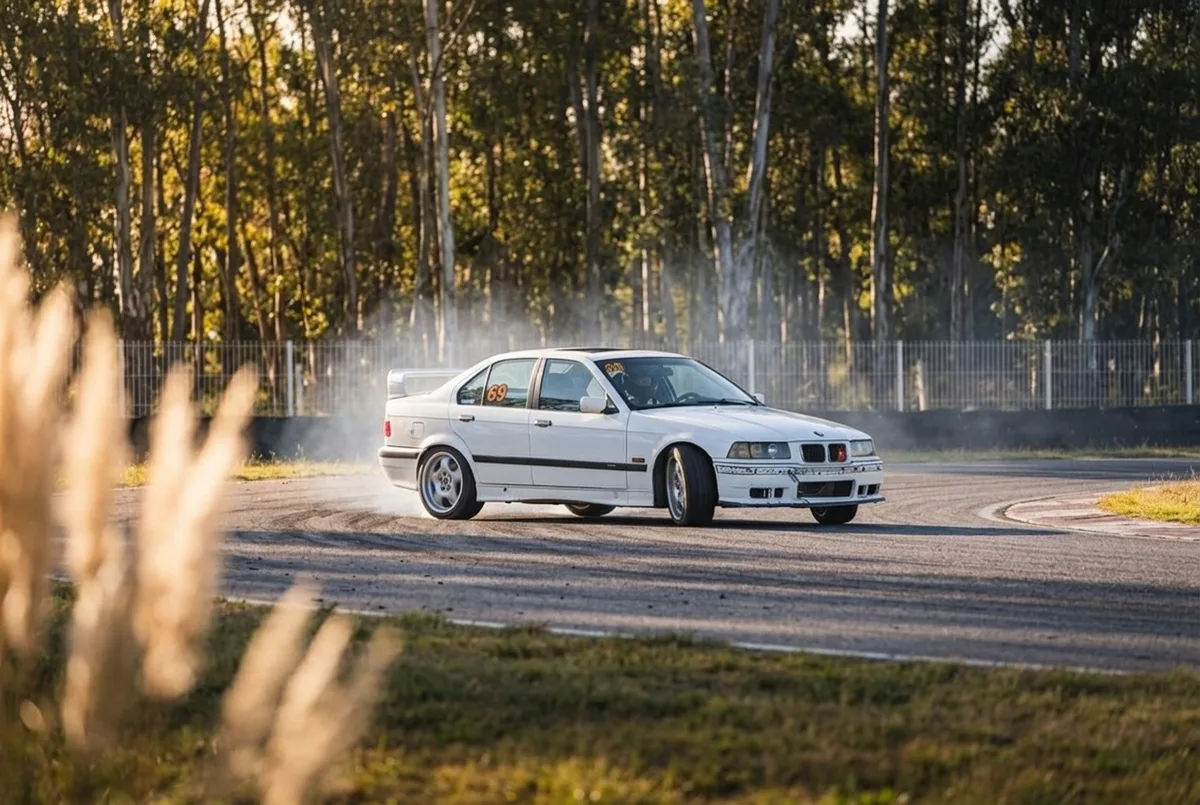
If you have always wanted to learn how to drift but did not know where to start, this guide is for you. It does not matter if you have never driven on a track, if you do not own a sports car, or if you think drifting is only for professionals. In fact, you can start with no previous experience at all. In Buenos Aires there is a drift school where you can start from zero, with a prepared car, a professional instructor and a closed circuit.
Drifting is not what you see in movies. It is not about pulling the handbrake and praying. It is a technical discipline where you learn to control a car in sustained oversteer — the car goes sideways, but you decide exactly where, at what angle and at what speed. And the most important thing: anyone can learn it.
You do not need your own car to start
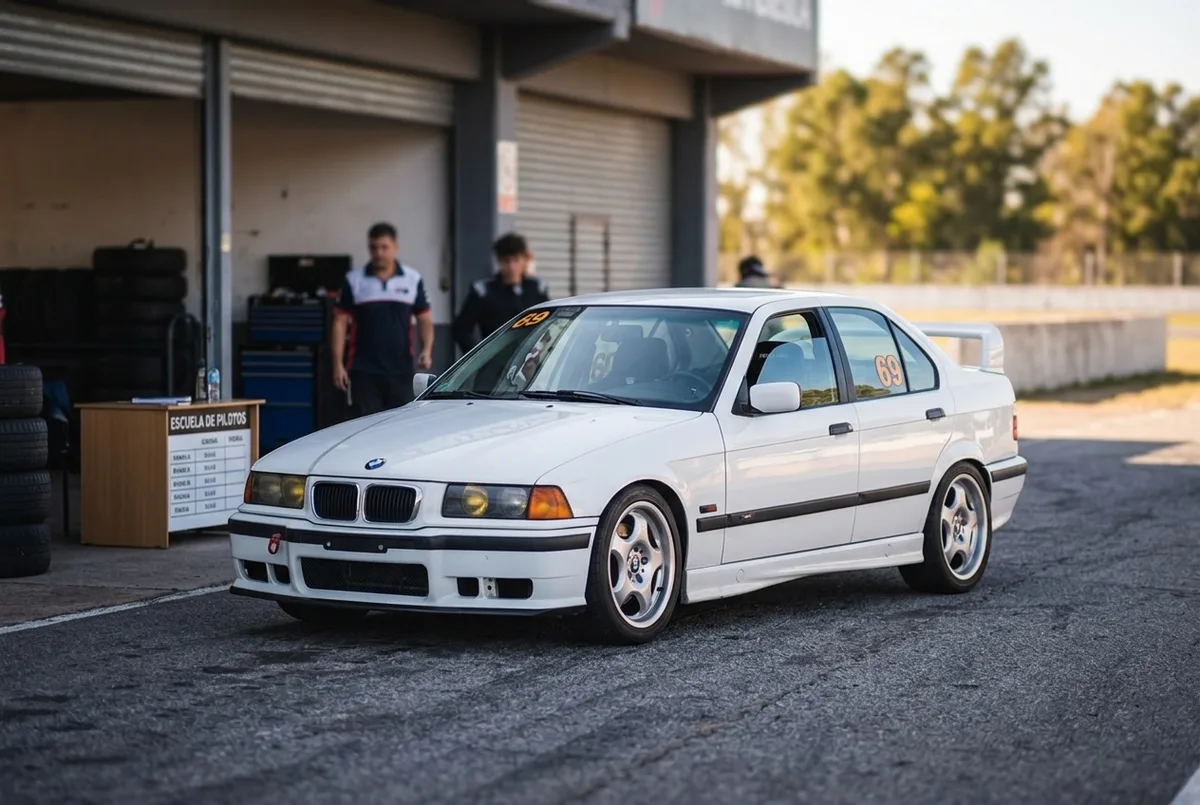
This is the biggest myth that holds people back. "I need to buy a drift car to learn." False. At TROMPO we provide a BMW E36 328i fully prepared for drift: a 2.8L R6 engine with plenty of torque to break the rear end loose, rear-wheel drive, a locked differential, dialed-in suspension and tyres made for this. The cabin is clean and stock, with its factory seatbelt.
It is the same car that professional drivers use to train and compete. You do not have to worry about breaking your car, spending on tires or doing maintenance. We cover all of that. You just come to learn.
Having your own drift car is great if you have already decided this is your thing. But to start, using a school car is the smartest decision. You learn the basics without the financial pressure of maintaining a competition car.
What a beginner drift class looks like
The briefing (10 minutes)
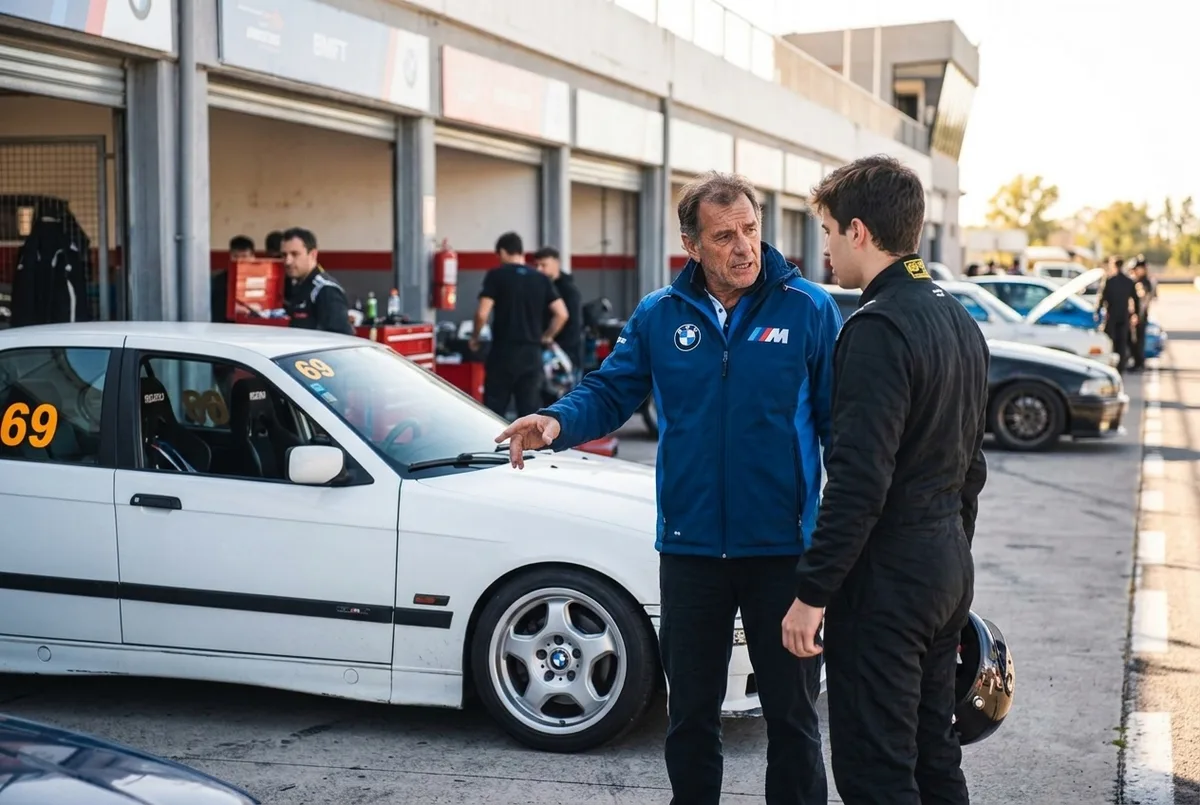
Before getting into the car, the instructor explains the basic theory: what oversteer is, how to initiate it, how to maintain it and how to control it. He shows you the correct hand position on the steering wheel, how to use the pedals and what to expect when the car starts sliding. This briefing is fundamental because it gives you the mental tools to understand what will happen on track.
First laps: finding confidence (10 minutes)
The first laps are calm. The instructor sits in the passenger seat and guides you in real time. You start with simple exercises: accelerate on the straight, brake before the corner, and provoke a gentle oversteer with the throttle. The goal is not spectacular slides — it is feeling how the car responds when it loses rear traction.
Most students achieve their first controlled slide within the first 10 minutes. It is not a long or high-speed slide, but it is the most incredible sensation you will experience in a car. That moment when the car goes sideways and you are controlling it — that is when the spark ignites.
Progression: more angle, more speed (10 minutes)
Once you are confident with basic oversteer, the instructor increases the difficulty. You start maintaining the slide for longer, increasing the car angle and connecting corners while maintaining the drift. This is where you begin to understand why drifting is addictive — every lap you want more angle, more smoke, more speed.
By the end of the 30-minute session, most students can hold a 3-5 second slide through a corner. It does not sound like much, but for someone who has never drifted, it is a huge achievement.
After the first class: the addiction is real
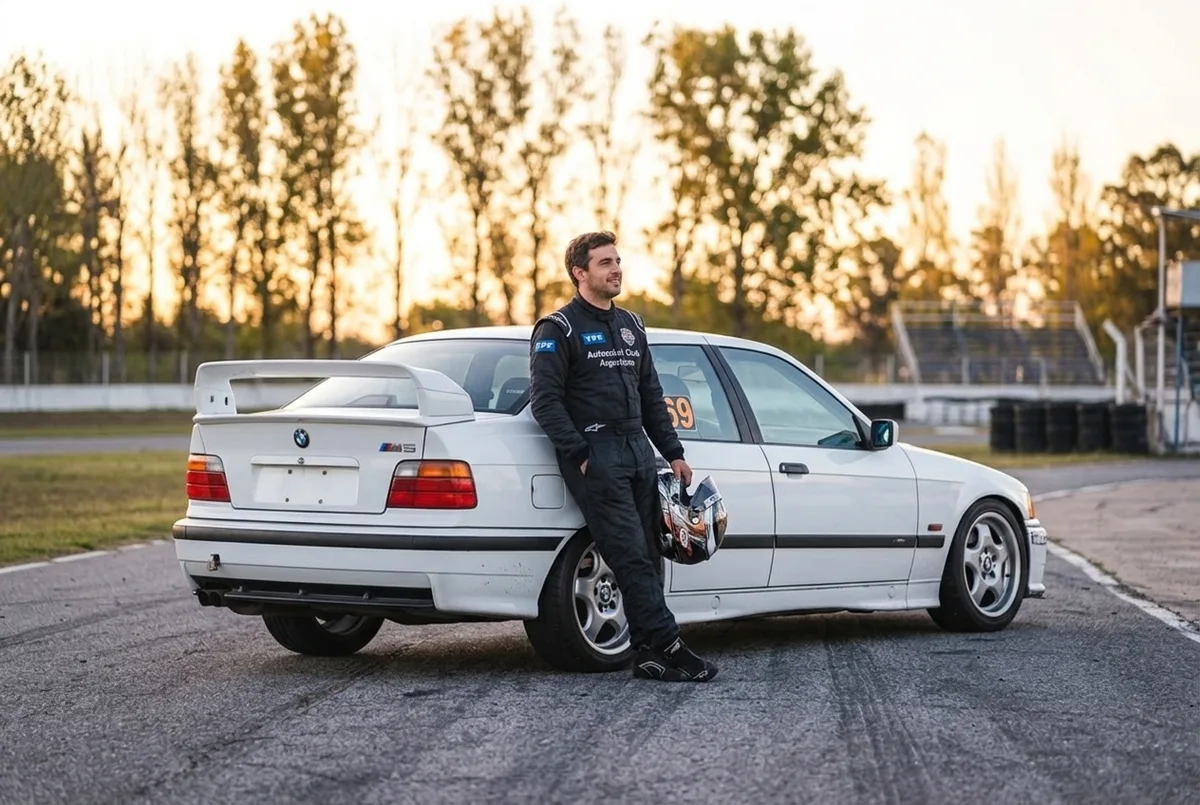
Nobody warns you about this part. You finish your first drift class, take off the helmet, and realize you are already thinking about when you can come back. That is completely normal and it happens to almost everyone. Drifting hooks people fast, and the reason is simple: it is one of the few experiences where you are fully present for the entire duration. No phone, no distractions, no background noise in your head. Just you, the car and the corner coming up.
The progression keeps you coming back too. After the Drift Intro ($300 USD), you know what oversteer feels like. After the Drift Experience ($500 USD), you start connecting corners. By the time you are a few sessions into the Pro Driver Course (5 sessions of 60 minutes, $2000 USD), you are hitting transitions, increasing entry speed and starting to develop actual style. Each milestone unlocks the next one, and that feedback loop is genuinely hard to walk away from.
Many students who came in thinking they would do it once end up buying their own E36 within a year. Some start competing at amateur events. But the majority just keep coming back for the feeling — and there is absolutely nothing wrong with that.
How drifting compares to other adrenaline experiences
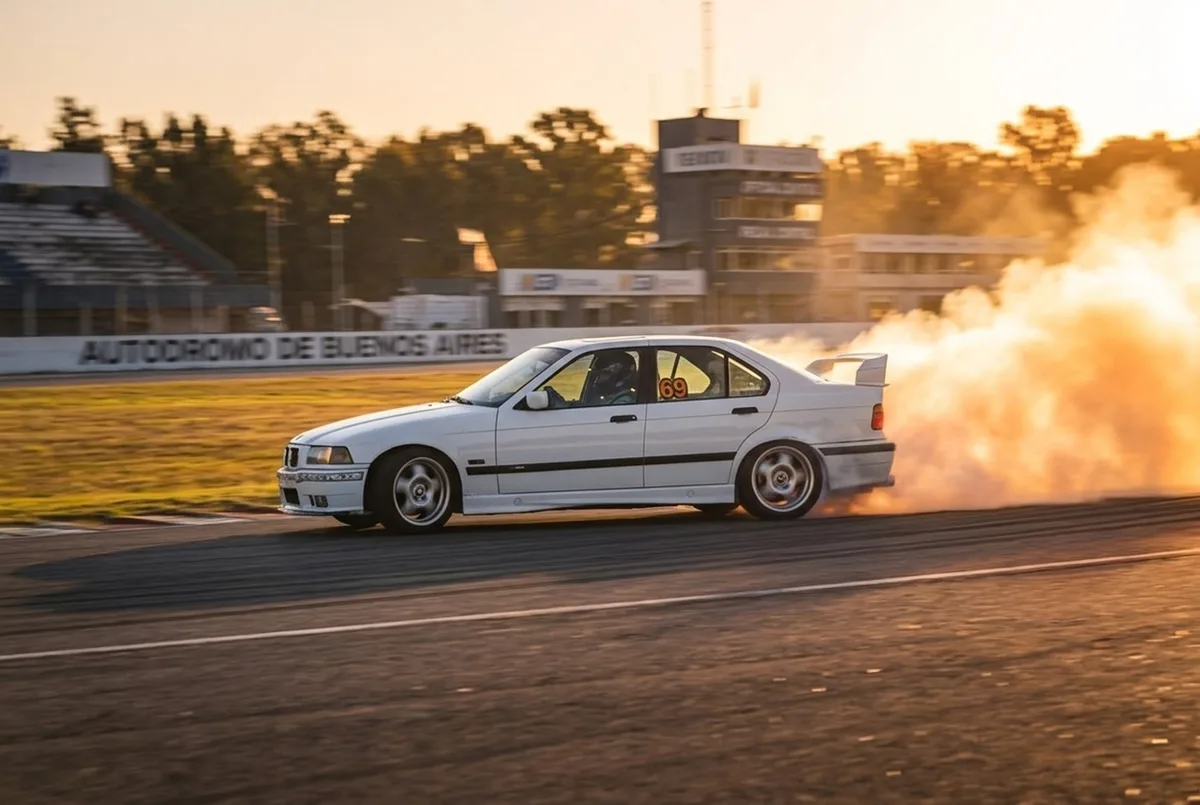
People often ask how drifting stacks up against skydiving, bungee jumping or karting. The honest answer is that they are fundamentally different types of adrenaline, and comparing them is a bit like comparing surfing to rock climbing. But there are some meaningful distinctions worth thinking about.
Skydiving and bungee jumping give you an intense burst of freefall adrenaline — but you are a passenger. The experience happens to you, not because of you. There is no skill involved, no improvement from one jump to the next. Drifting, by contrast, is entirely skill-based. The adrenaline comes from what your hands and feet are doing, and it lasts 30 to 60 minutes rather than 30 seconds.
Karting is the closest comparison in terms of driver involvement, but even karting does not give you the same sensation as controlled rear-wheel oversteer. In a kart everything grips. In a drift car the rear end breaks loose and you have to catch it, correct it and hold it — it is a fundamentally different and more demanding physical experience. People who have done both almost always describe drifting as the more memorable of the two.
The mental game: how drifting rewires your driving
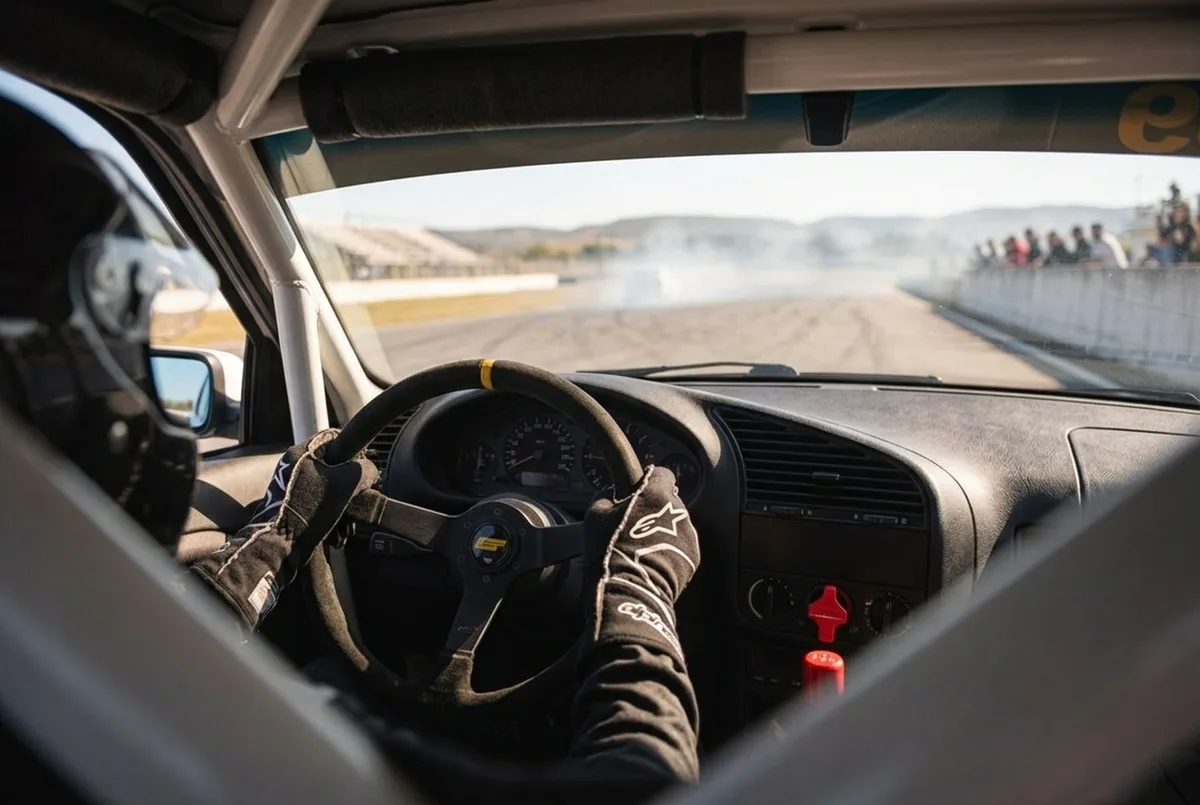
One of the most underrated benefits of learning to drift is what it does to your everyday driving. Not because you start sliding on public roads — that would be reckless and completely against the point. But because the training sharpens instincts that most drivers never develop.
After a handful of sessions on a closed circuit, you start feeling the car in ways you never did before. You sense when rear traction is getting close to its limit. You understand the relationship between throttle input and vehicle rotation. Your reaction times in emergency situations improve because your nervous system has been trained under controlled but genuinely challenging conditions.
Driving instructors and motorsport coaches say the same thing consistently: people who have learned car control at the limit become significantly safer and more confident drivers on the street. Not because they drive faster, but because they drive smarter. The car no longer surprises them. They know what it feels like to be on the edge and how to bring things back under control. That knowledge has real value beyond the track.
What to wear and bring to your first session
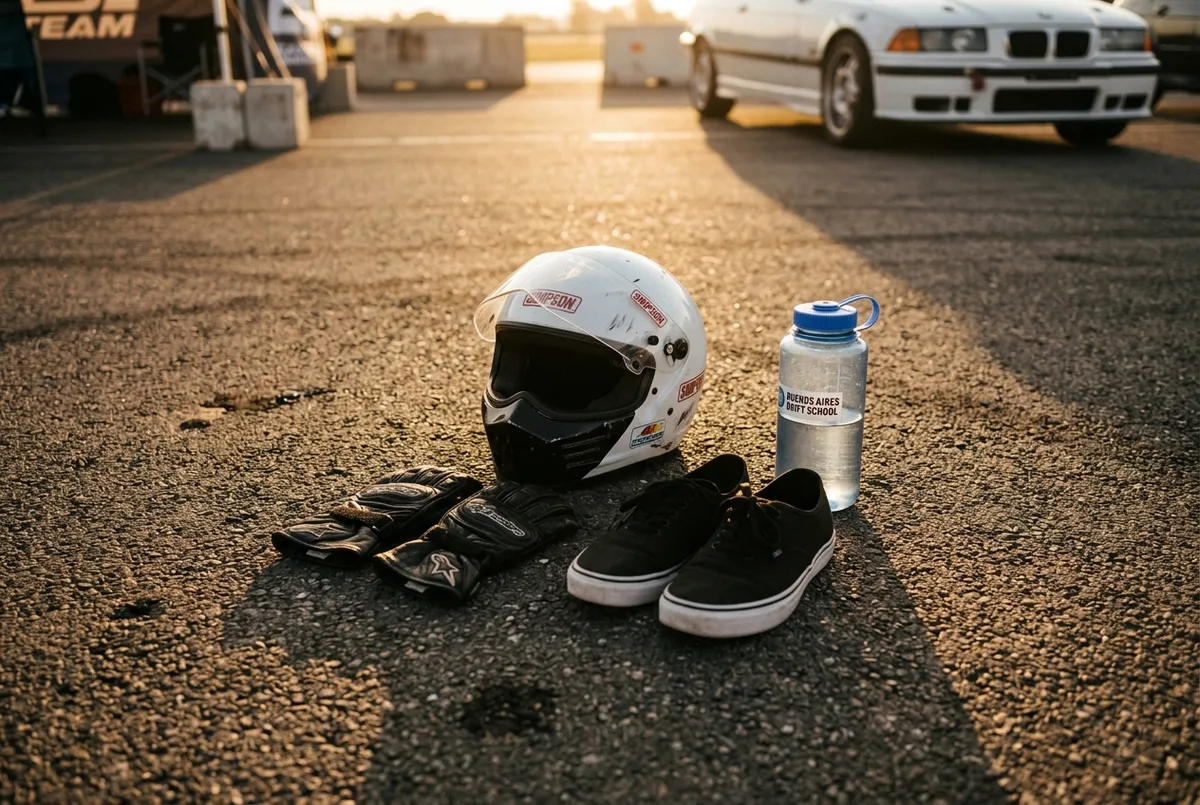
We provide the helmet, and the car has its factory seatbelt, so you do not need any specialized gear. But a few practical choices will make your experience noticeably better.
Wear comfortable clothes that give you full freedom of movement — jeans or athletic pants and a t-shirt or light jacket work perfectly. Closed-toe shoes with a flat, thin sole are ideal. Thin-soled sneakers give you much better pedal feel than thick running shoes or boots. Avoid sandals, flip-flops, or anything with a heel.
Bring water. The combination of concentration, physical tension and adrenaline is surprisingly dehydrating, especially in the Buenos Aires summer. Eat something light before the session but avoid a heavy meal — trust us on this one. A banana or an energy bar about an hour before works well.
If you want footage, bring someone to film from the pit lane: exterior shots make the footage dramatic and shareable. Sunscreen matters in summer sessions, since you will spend time waiting between runs with no shade overhead.
The social side: building a community at the track
Something first-timers do not expect is how social a day at the drift circuit turns out to be. There is something about a closed circuit environment — shared risk, shared enthusiasm, shared tire smoke — that makes people genuinely friendly to each other.
Experienced drivers will come talk to you between sessions. They will ask how it went, share their own early stories, and offer tips they wish someone had given them on day one. The Buenos Aires drift community is small enough that you actually get to know people, not just nod at strangers in a parking lot. And if you want the wider picture — the drift scene across Argentina, not just Buenos Aires — read up on learning to drift in Argentina and the hubs beyond the capital.
Beyond the track days themselves, there are WhatsApp groups where people share circuit schedules, event announcements and parts availability. There are post-session cookouts. People celebrate each other's milestones — first tandem, first amateur competition, first podium. If you are the kind of person who is looking for a hobby that comes with a real community, drifting delivers that in a way that not many activities can match.
Weather and the best time to go
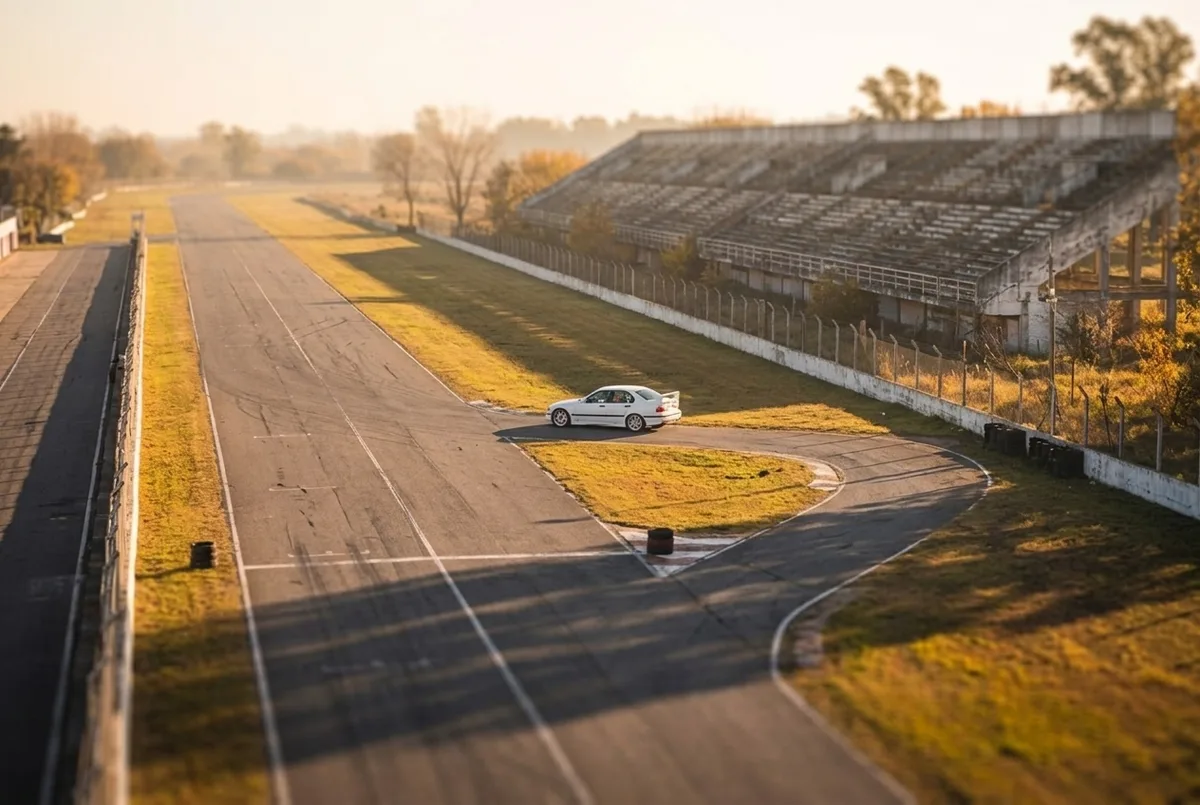
Buenos Aires has a mild climate that makes year-round drifting possible, but some windows are better than others.
The sweet spots are March through May and August through November. Temperatures are moderate, the asphalt holds heat well without overheating, and tire grip is at its best. These are the months when most of the major events happen and when you will see the biggest turnout at track days.
December through February is the Buenos Aires summer, and sessions are absolutely doable but require some adjustment. Heat above 35 degrees Celsius affects both the car and the driver. Sessions often start earlier in the morning to avoid peak heat. Staying hydrated is not optional — it is critical. That said, some people prefer summer sessions because the track dries fast after rain and the longer days give you more flexibility with scheduling.
Rain does not automatically cancel a session. Driving a rear-wheel drive car on a damp circuit is one of the best learning experiences you can have — the reduced grip forces you to be more precise and more sensitive with the controls. Advanced drivers actually seek out wet conditions for this reason. If it rains on your booking date, embrace it.
Common myths it is time to put to rest
A lot of people never try drifting because of misconceptions that have nothing to do with reality. Here are the most common ones.
Drifting is dangerous. On a private, closed track, with a professional instructor beside you on every lap, a helmet and a fire extinguisher per regulations, drifting is one of the most controlled motorsport activities available to the public. The risk is managed in layers: no other cars, no pedestrians, no traffic, and you start slow and build up at your own pace. It is a controlled environment, very different from driving on a highway. If you still have doubts, read in depth whether drifting is dangerous and how safety is handled.
Drifting destroys the car. The school car is built and maintained to handle drift use. You are not going to break anything that is not normal wear and tear. Tires wear faster than in everyday driving — that is expected and budgeted for. If something mechanical gives out, that is on us, not you. You pay for the session, not for the repairs.
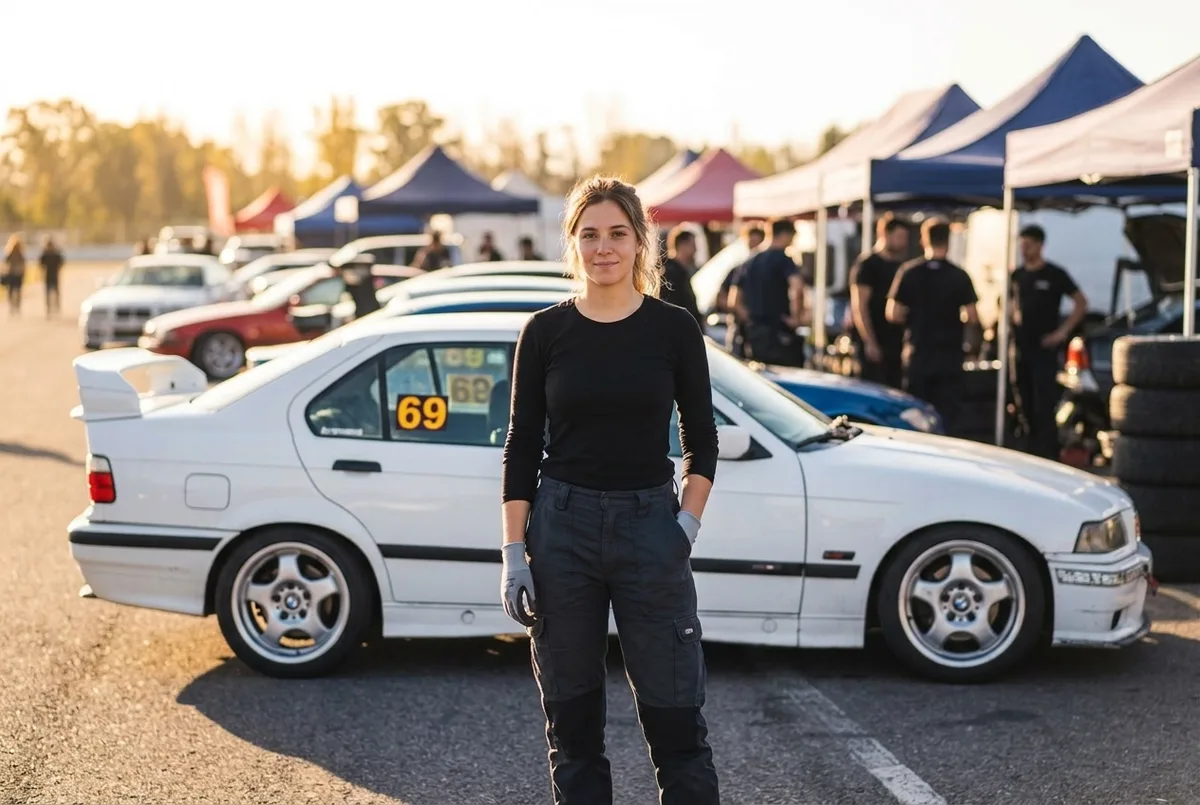
Drifting is a guy thing. Completely wrong. We have had female students show up alone, with no prior track experience, and outperform men with more sessions under their belt. Women tend to have better initial sensitivity with the throttle and less ego about making mistakes — both genuine advantages in the learning process. The community is mixed and the welcome is equally warm regardless of gender.
You need to be young. Forty, fifty, even beyond is no barrier. Physical fitness requirements are minimal — if you can drive a manual car, you have the physical capacity to drift. What matters is focus and willingness to learn, and those have no expiration date.
Class packages we offer
Drift Intro — $300 USD (30 minutes)
The introductory class. Includes briefing, 30 minutes on track with instructor and helmet. Perfect for testing whether drifting is for you before committing to a longer course. The vast majority of people leave this class with a huge smile and book the next one before leaving the circuit.
Drift Experience — $500 USD (60 minutes)
Double the track time. With 60 minutes you can go much deeper: practice transitions between corners, increase entry speed and start developing your own style. The instructor adjusts exercises based on your progress. If you have done the intro and want the next step, this is the option.
Pro Driver Course — $2000 USD (5 sessions of 60 minutes)
The package for those who are serious. 60-minute sessions where the instructor builds a personalized progression plan. Class by class you add skills: first basic control, then transitions, then speed, and finally tandem (drifting in formation with another car). We recommend one session every 1-2 weeks so your body and mind can assimilate what you have learned.
Safety comes first
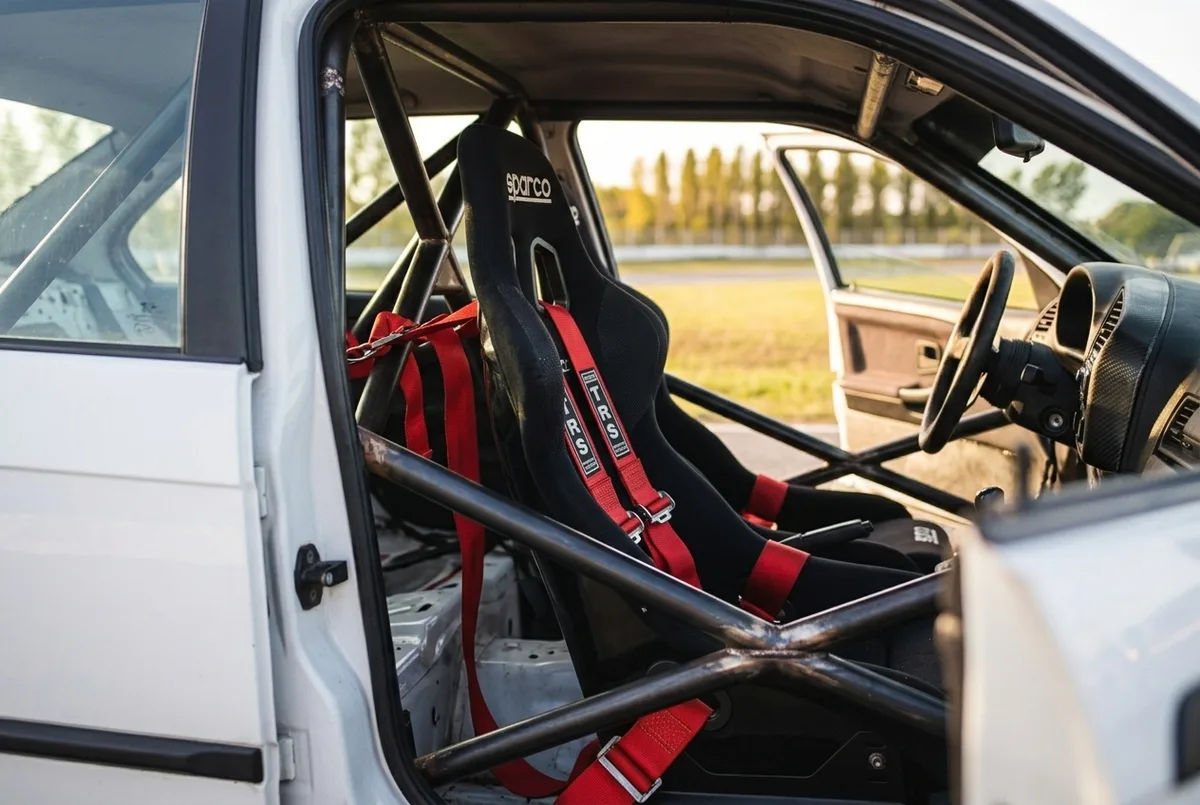
Getting into a car on track calls for serious measures. Our BMW E36 is not a homologated competition car: it has a stock cabin, with no roll cage or harnesses, and class drifting runs at 20-50 km/h. Safety rests on these concrete layers:
Closed circuit: No traffic, no pedestrians, no surprises. The circuit is a controlled space designed exclusively for motorsport activities. Run-off areas are wide and there are marshals at critical points.
Safety equipment: A helmet for you and the instructor, a clean stock cabin with its factory seatbelt, and a fire extinguisher on board per regulations. The strongest safety layer is the closed track with no traffic and the professional instructor beside you on every lap.
Instructor beside you: The instructor has years of competition experience and sits beside you on every lap, guiding and correcting you in the moment. His goal is for you to feel maximum adrenaline while learning at your own pace.
Prepared car: The E36 receives maintenance after every session. Brakes, tires, fluids, suspension — everything is checked and replaced when needed. There is no room for mechanical improvisation.
Location and how to get there
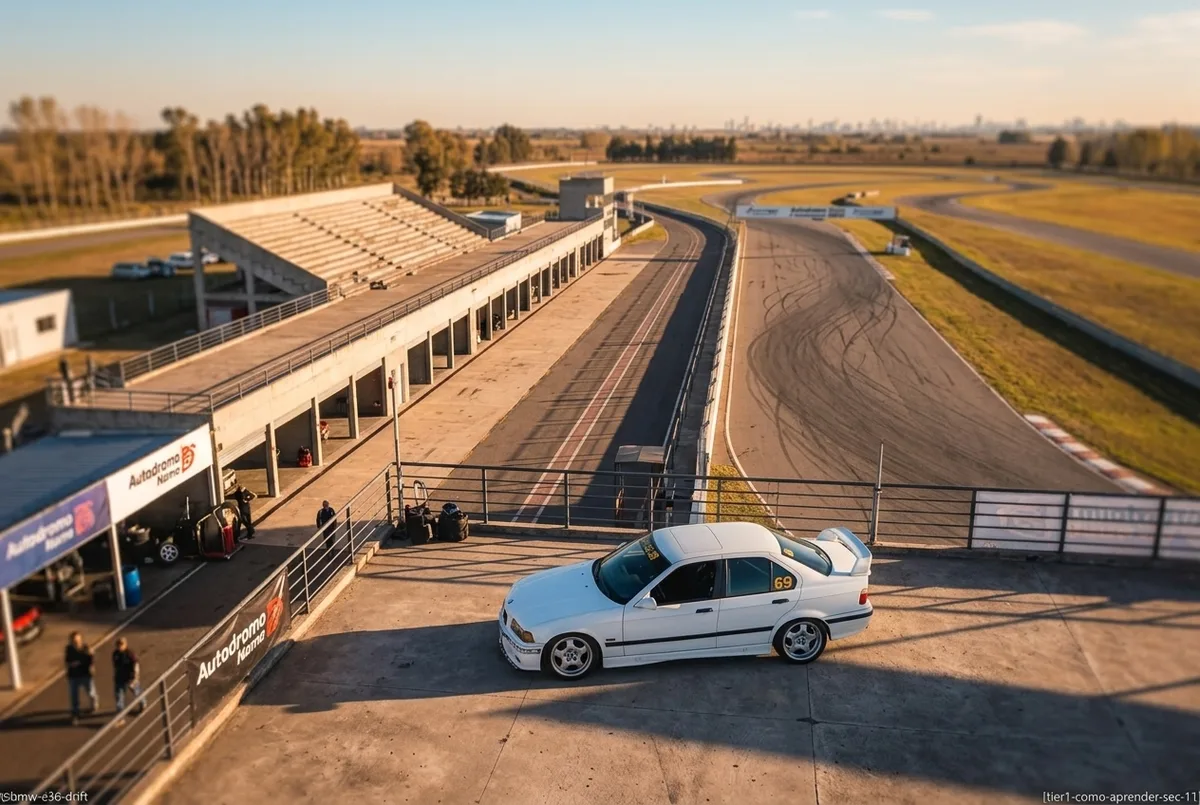
Classes take place at El Picódromo, Av. Olimpo 80, Esteban Echeverría, a closed circuit in the southern part of Greater Buenos Aires (see it on Google Maps), Monday to Thursday.
The circuit has free parking, bathrooms and access for companions who want to watch from the pits. If you come with friends who want to film you, they can stay in the spectator area at no extra cost.
Questions we always get asked
Is there an age limit? Yes: for now it is 18+ only. Until the car has dual instructor pedals we do not take minors, neither driving nor as passengers. See the minimum age for drifting for details.
Do I need to know how to drive? The basics are enough. If you only drive automatic, no problem: the clutch is basically just for getting moving, and in the slide you work the steering and throttle in a fixed gear. The instructor sits next to you on every run. More on this in I can't drive manual — can I drift?.
Can the car break? The E36 is built for the punishment of drifting: tires wear fast and brakes get hot, and that normal wear is already included in the price. For bigger damage, the conditions are spelled out in the contract you sign before driving — no fine print. Full details in what happens if I break the car in a class.
Can I bring my own car? For classes we use our prepared BMW E36. If you have your own car and want open track time, check our sister site trackdays.com.ar, which organizes track days.
How do I book? Straight through WhatsApp at +54 9 11 6833 3342: you coordinate date and time, and the booking is confirmed with a 50% deposit by bank transfer; the rest is paid at the track on the day of the class, in cash (pesos or dollars) or by transfer, with pesos at the P2P dollar rate of the day.
The first step is the most important
You do not need a $20,000 car, years of experience, or to be young and athletic. You need 30 minutes, $300 USD and the desire to try something new.
Most of our students arrive nervous and leave with the best experience of their life. Many come back. Some buy their own E36 and start going to track days on their own. A few end up competing.
But it all starts with that first class. That first slide. That moment when the car goes sideways and you think: "this is my thing."
If you want to start with the basics, read our guide to the beginner drift course. Curious about the car you will drive? See everything about the BMW E36 as the perfect drift car. Prefer to ride as a passenger first? Try the Drift Taxi in Buenos Aires.
Book your class at driftschool.com.ar or message us on WhatsApp.
Frequently Asked Questions
Do I need prior experience?
No, classes are for absolute beginners. The instructor guides you step by step from zero.
What car is used in classes?
A fully prepared BMW E36 328i: 2.8L engine, rear-wheel drive, locked differential and dialed-in suspension. Clean stock cabin with its factory seatbelt.
How long is the first class?
The Drift Intro class lasts 30 minutes ($300 USD) including theory briefing and on-track practice with instructor.