How Many Drift Lessons You Need to Start (2026 Guide)
 By Dmitrii McCarthy
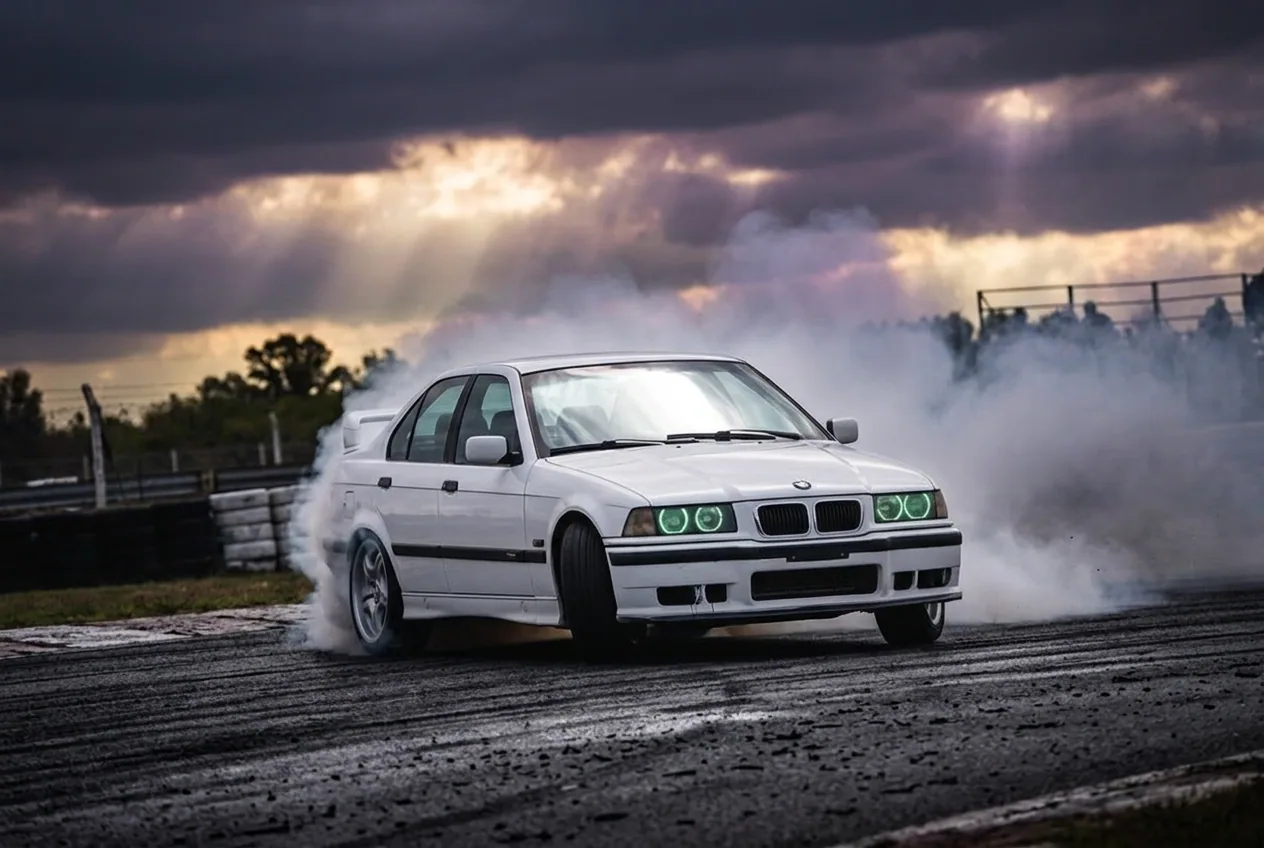
The question everyone asks: how many classes do I need?
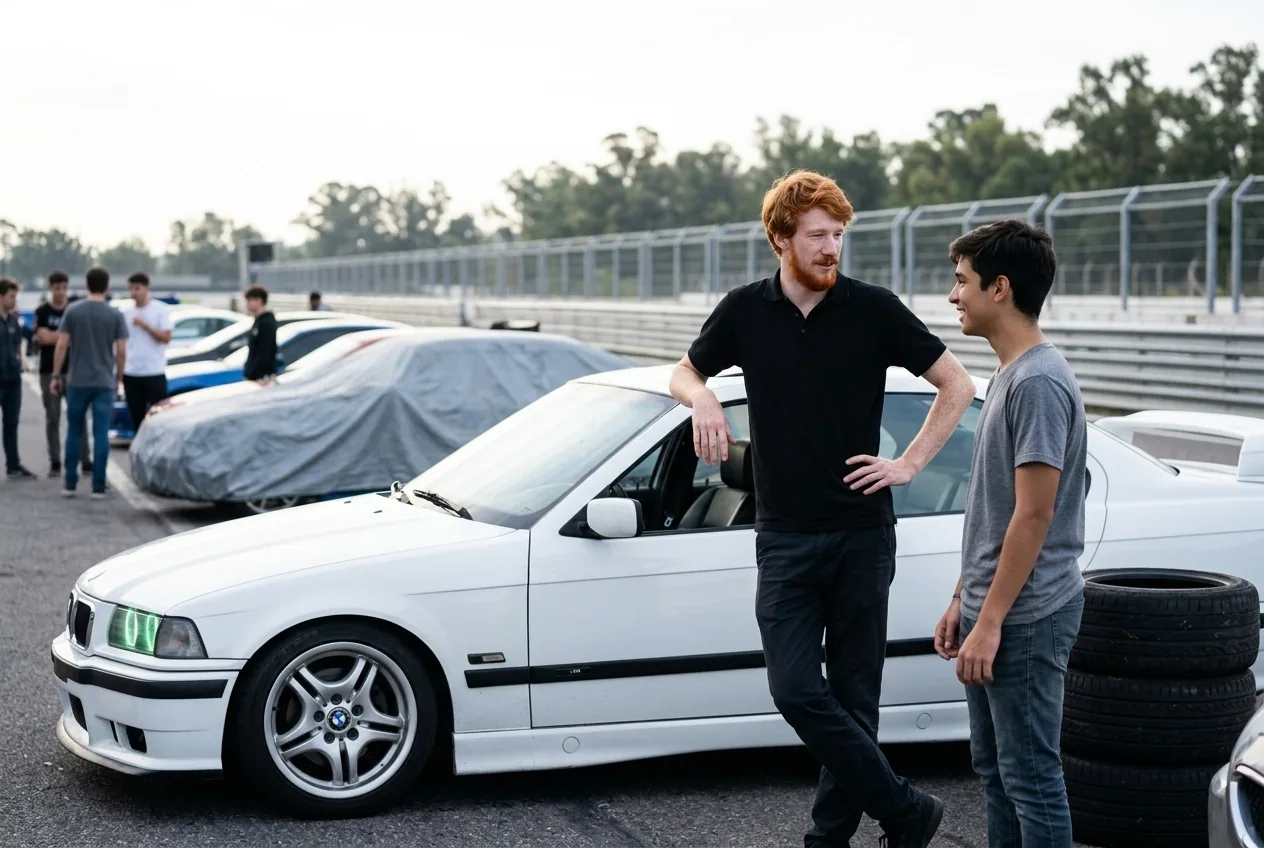
It is the most frequent question we receive through WhatsApp, Instagram and in person: "how many classes do I need to learn to drift?" The honest answer is that it depends on your level of ambition — wanting to do a basic slide is not the same as wanting to compete in a championship. But what we can give you is a realistic guide based on the experience of hundreds of students who have gone through our school.
What we are going to explain here is the typical progression of a student who starts from absolute zero — never stepped foot on a circuit, never drifted, maybe never even drove a manual transmission car. If you already have some track or performance driving experience, you will progress faster. But the steps are the same for everyone.
Class 1: The awakening (Drift Intro — 30 min — $300 USD)
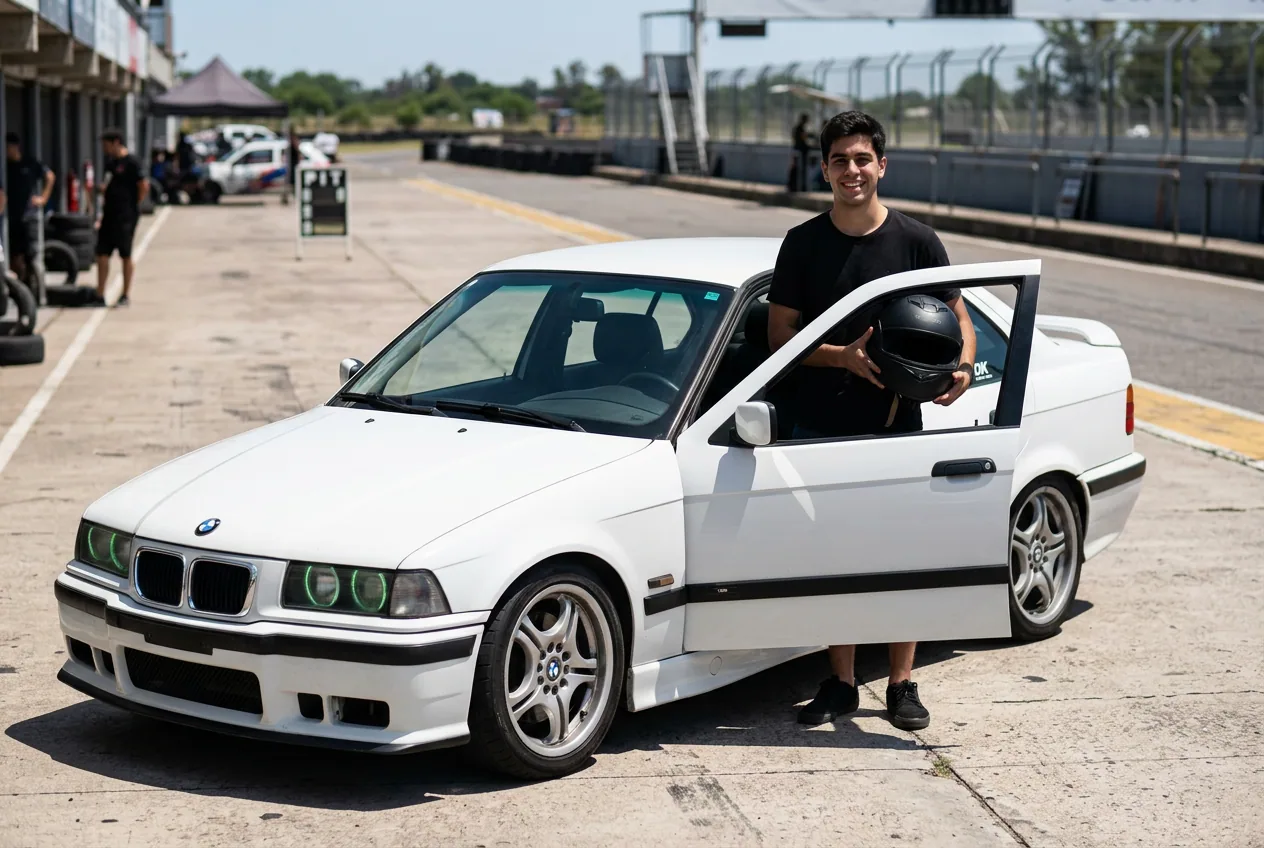
The first class is the most important of all. Not because you learn a lot technically — but because you discover whether drifting is for you. And in 95% of cases, the answer is a resounding yes.
We start with a 10-minute briefing where the instructor explains the basic concepts: what oversteer is, how it happens, what your hands and feet do. It is not a boring theory lecture — it is a practical explanation that prepares you for what is coming.
Then you get into the BMW E36 with the instructor beside you. The first laps are calm: feeling the car, the track, the engine noise. Then the instructor guides you to provoke your first oversteer. It can be through weight transfer, the handbrake, or simply stepping hard on the throttle in a corner.
When the car goes sideways for the first time and you control it — even for one second — something changes in your head. It is a mix of adrenaline, surprise and satisfaction that is hard to describe. Most students leave this class with a smile that does not fade for days.
By the end of class 1 you can initiate a basic slide. You will not hold it long and it will not be pretty, but the concept is already in your body. Your hands already know where to go, your feet already have an idea of how much gas to give.
Classes 2-3: Holding the slide (Drift Experience — 60 min — $500 USD each)
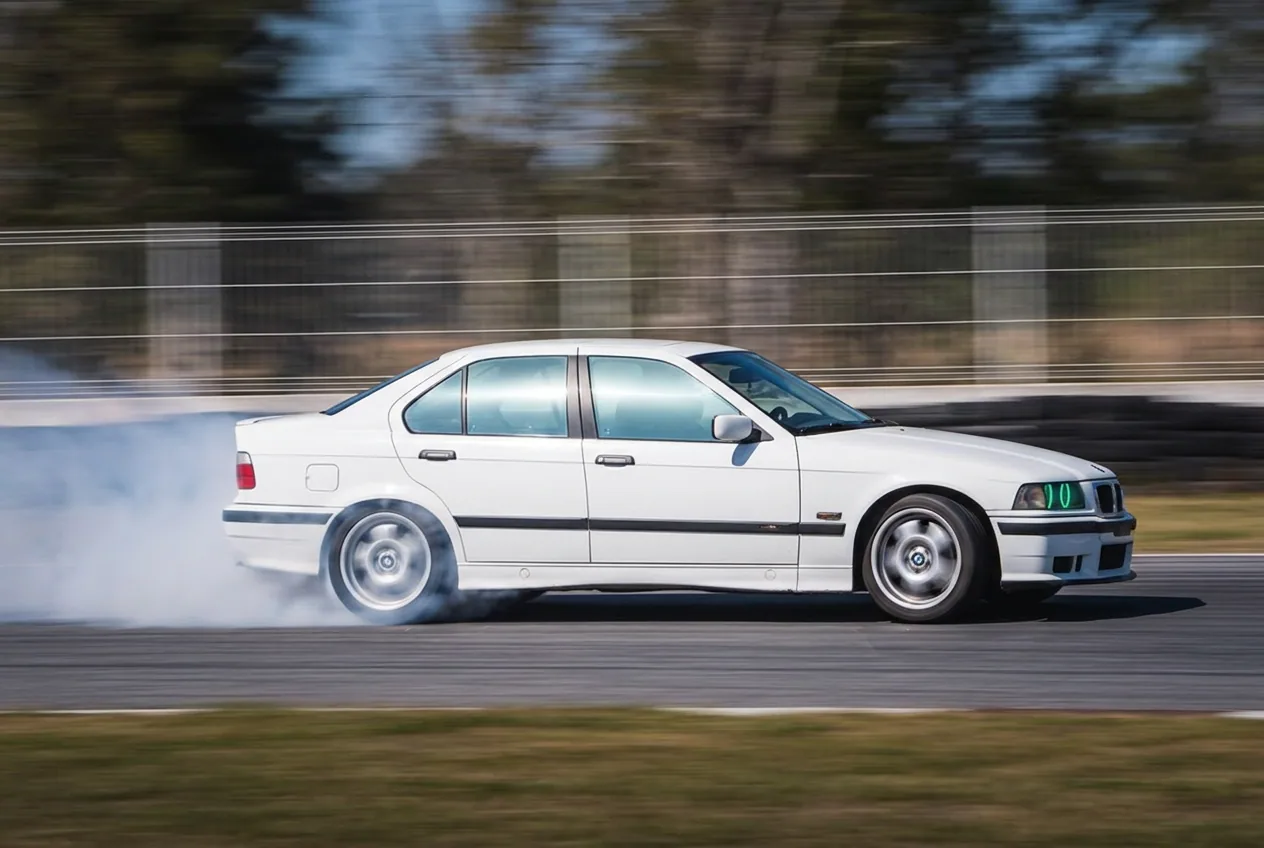
Class 2 is where real learning begins. You already know how to initiate oversteer — now you need to learn to maintain it. This requires coordinating three things simultaneously: counter-steering (turning the wheel in the opposite direction of the slide), throttle (controlling the spin speed of the rear wheels) and vision (always looking where you want to go, not where the car is currently heading).
It sounds complicated and at first it is. Your brain is processing too much new information. But the instructor is right beside you correcting in real time: "more gas", "ease off a bit", "look at the corner exit". After 20-30 minutes, your hands start moving on their own. That is muscle memory in action.
Class 3 is where everything consolidates. By the end of this session, most students can hold a 3 to 5 second slide through a corner. They can control the car angle and the drift speed. It is still not pretty or consistent, but basic control is there.
An important detail: we recommend no more than 2 weeks between classes 2 and 3. Drift muscle memory is fragile when it is just forming. If you leave a month gap, you will come back almost at class 1 level. With regular practice, each class builds on the previous one.
Classes 4-5: Transitions — the next level (Pro Driver Course — $400 USD each)
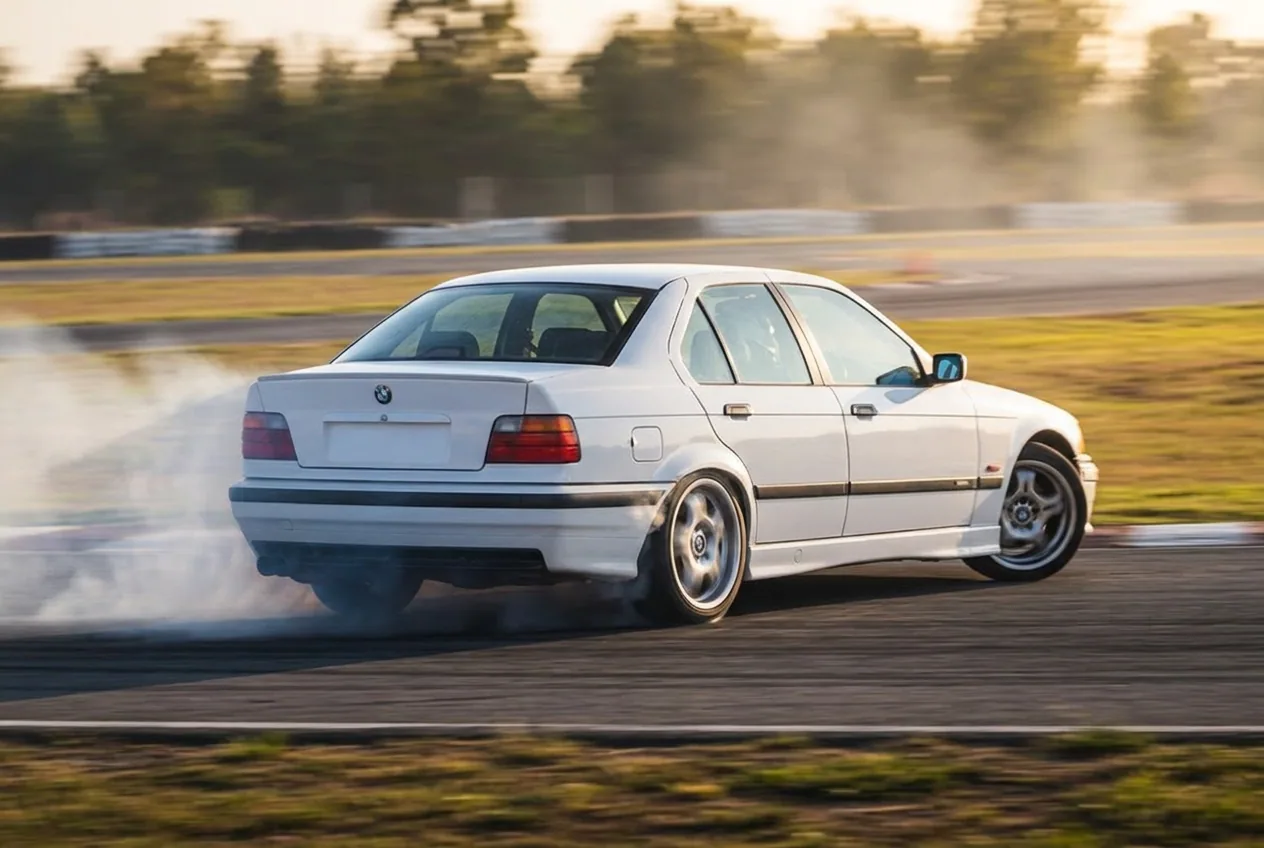
Transitions are what separates someone who can do a slide from someone who can actually drift. A transition is the direction change during a drift — you are sliding right in one corner and need to switch to left for the next corner, all without losing oversteer.
This requires precise timing: lift off the throttle, turn the steering wheel quickly, get back on the gas and re-establish counter-steer in the new direction. All in less than a second. It sounds impossible, but your body already has the foundations from previous classes and the instructor guides you step by step.
Class 4 is frustrating for many students because transitions do not work at first. You will get the timing wrong, you will lose the drift, you will spin. That is normal and part of the process. The instructor knows exactly when you are about to get it and adjusts exercises to get you there.
Class 5 is where everything clicks. Suddenly transitions start working. You can connect 2-3 corners maintaining the drift. The feeling is incredible — it is as if the car were an extension of your body. You are not thinking about what your hands or feet are doing. You just drift.
Classes 6-7: Speed, angle and personal style
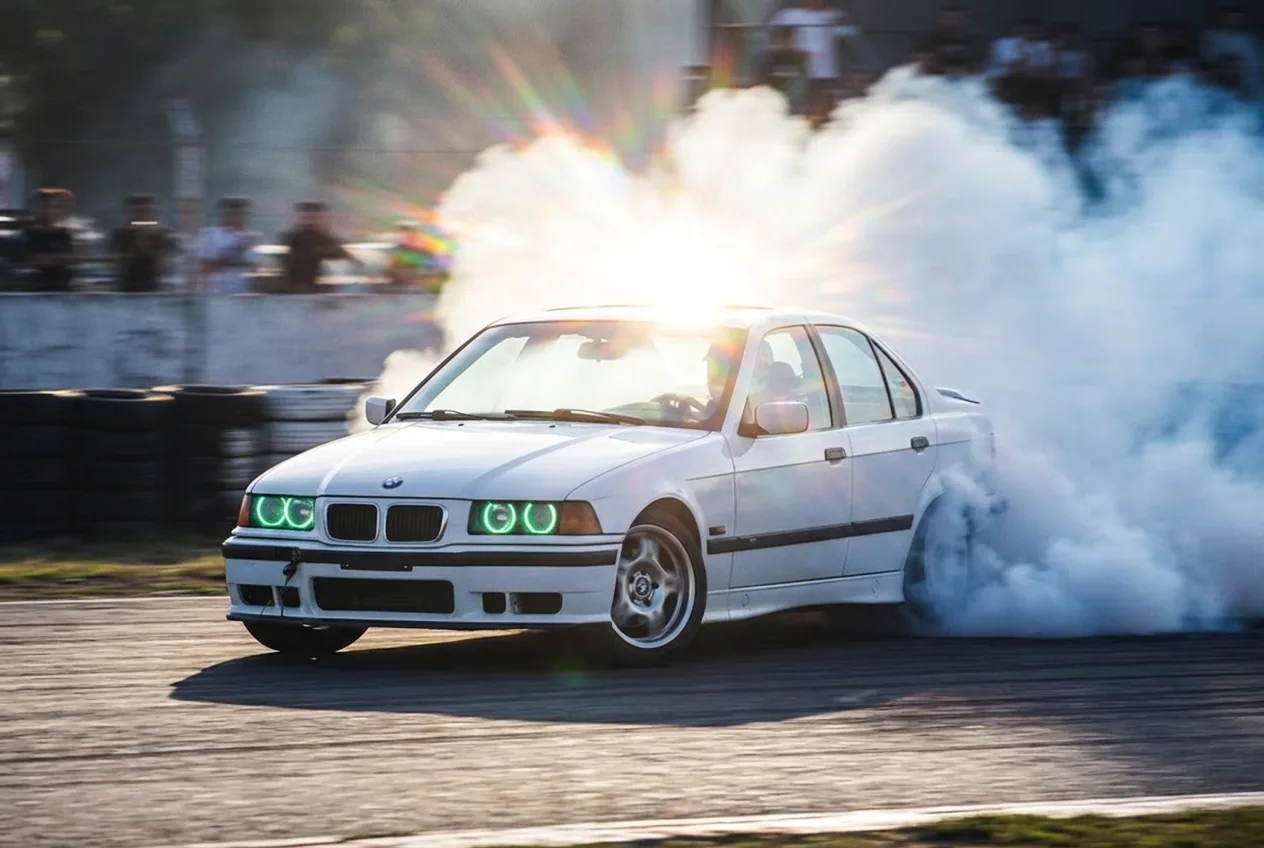
Once you master transitions, the next step is doing them at higher speed and with more angle. Until now you were drifting at low speeds with conservative angles. Now you start increasing entry speed, increasing the car angle (more sideways) and making longer, more spectacular slides.
This is also where you start developing your own style. Some students prefer smooth, fluid slides like a dance. Others prefer aggressive entries with lots of smoke and extreme angles. There is no correct style — drifting is a discipline where aesthetics matter as much as technique.
The instructor starts giving you more freedom and fewer direct instructions. He is no longer saying "now turn, now gas." He gives you a line to follow and you find your own way to do it. It is the step from student to driver.
By the end of class 7, most students can drift a complete circuit connecting all corners, with smoke, angle and consistency. The confidence level is completely different from class 1.
Class 8 onwards: Tandem and competition
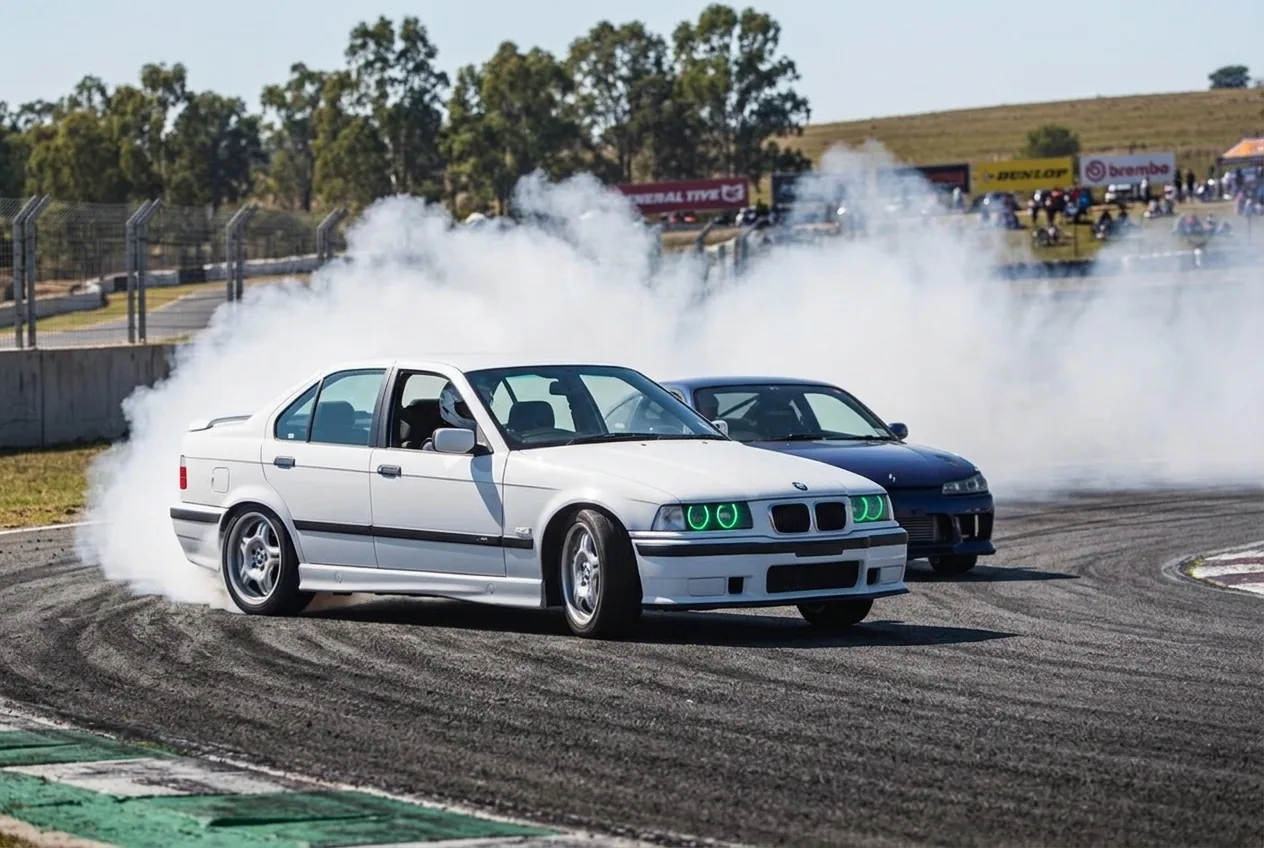
Tandem is the most spectacular form of drifting: two cars drifting in parallel, inches apart, synchronized like a dance. It is also the format of drift competitions — the lead car sets the line and the chase car must imitate it as closely as possible.
To do tandem you need a high level of control and confidence because you are drifting with another car very close by. A mistake can mean a collision. That is why we do not introduce it until class 8 at minimum, and only when the instructor is confident the student has the necessary level.
From this point, classes focus on precision and consistency. You can drift, but now you need to do it exactly the same way lap after lap. Drift competition is judged on style, angle, speed, line and proximity to the other car — everything must be repeatable.
Some students enter amateur competitions after 10-12 classes. Others prefer to keep practicing without competitive pressure. Both paths are valid.
What does it cost in total?
Here is the complete budget from absolute beginner to independent drifter:
Class 1 — Drift Intro (30 min): $300 USD
Classes 2-3 — Drift Experience (60 min each): $500 x 2 = $1,000 USD
Classes 4-8 — Pro Driver Course (60 min each): $400 x 5 = $2,000 USD
Total: $3,300 USD for 8 classes
Spread over 2-3 months (one class every 1-2 weeks), that is approximately $1,100-1,650 USD per month. Compare that with buying your own drift car ($10,000-18,000 USD) plus tires, maintenance and track day fees — classes are the most economical way to start.
Frequency matters more than quantity
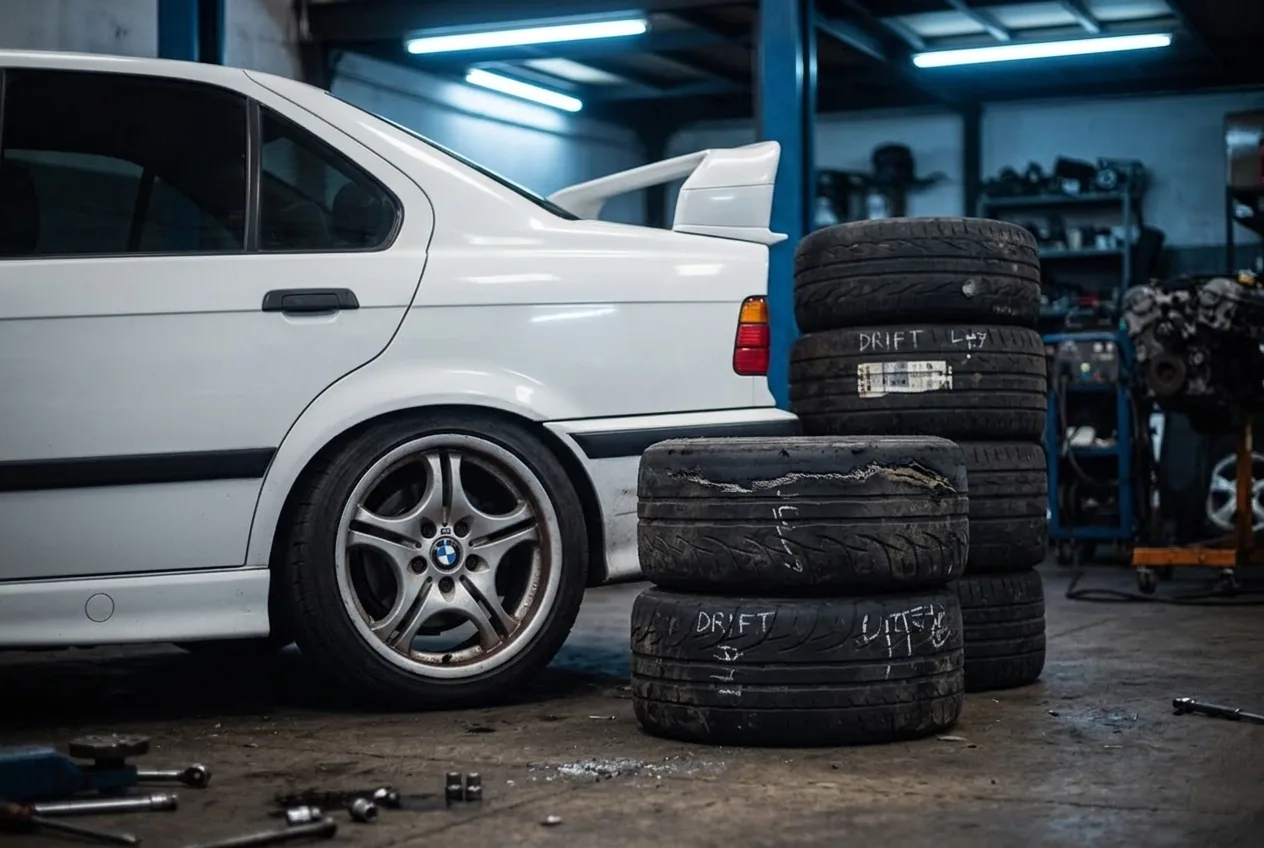
A common mistake is taking many classes back to back thinking you will learn faster. It does not work that way. Your body needs time to process information and convert it to muscle memory. One class per week is the ideal rhythm. Every two weeks is acceptable. More than two weeks between classes and you start losing what you gained.
It is also important to rest between sessions. Drifting is physically demanding — 60 minutes of maximum concentration, turning the steering wheel, working pedals and controlling your body against G-forces. You will come out tired. Some students have arm soreness the day after their first class.
What happens after the classes?
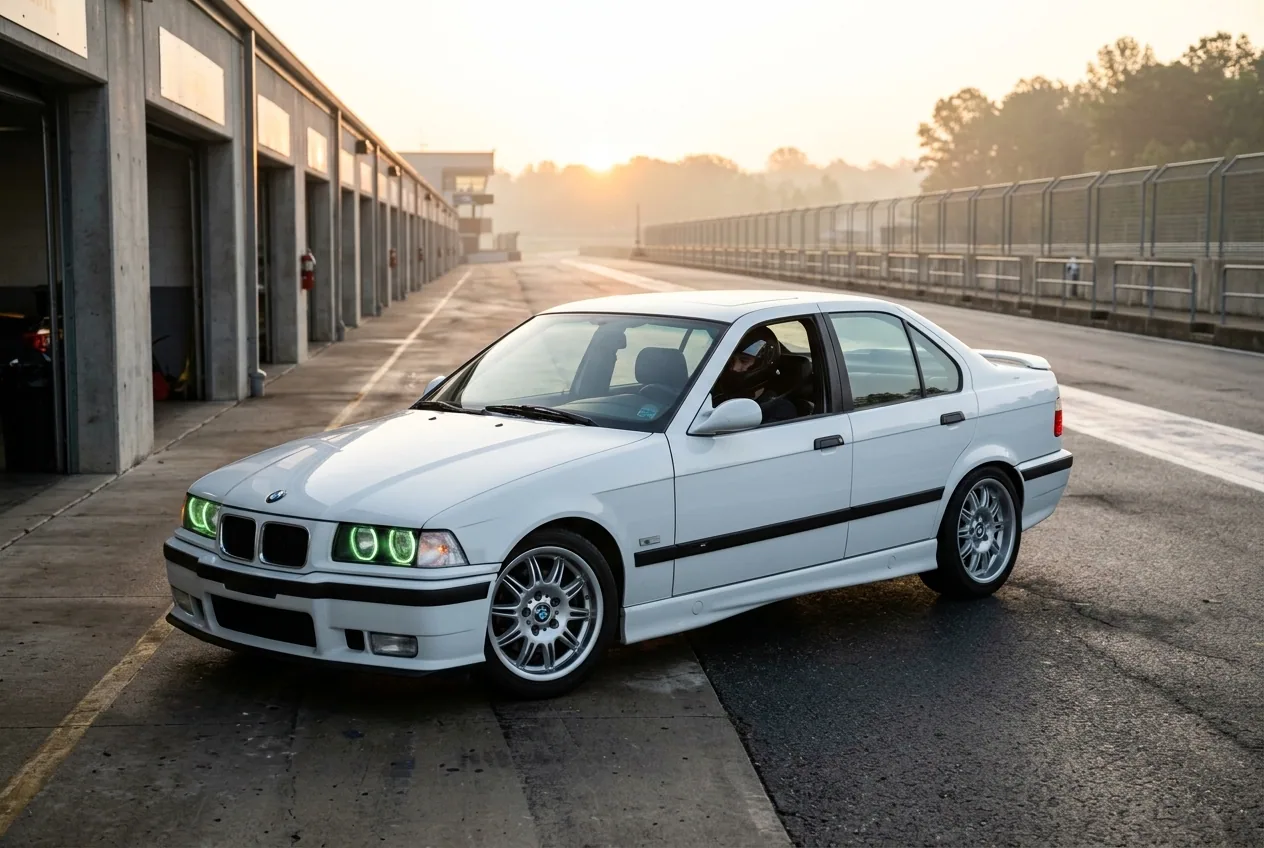
Once you have completed the class cycle and feel comfortable drifting, you have several options:
Continue taking classes: Many students continue with monthly Pro Driver sessions to keep improving. There is always something new to learn.
Buy your own car: If drifting becomes your passion, you can buy a BMW E36 ($5,000-10,000 USD) and prepare it ($5,000-8,000 USD). With what you learned in classes, you will know exactly what car to look for and how to prepare it.
Go to track days: You can rent our E36 for track days ($1,000 USD/day) and practice on your own. Or bring your own car.
Compete: If competition is your goal, we can guide you to enter amateur categories.
Factors that speed up or slow down your progression
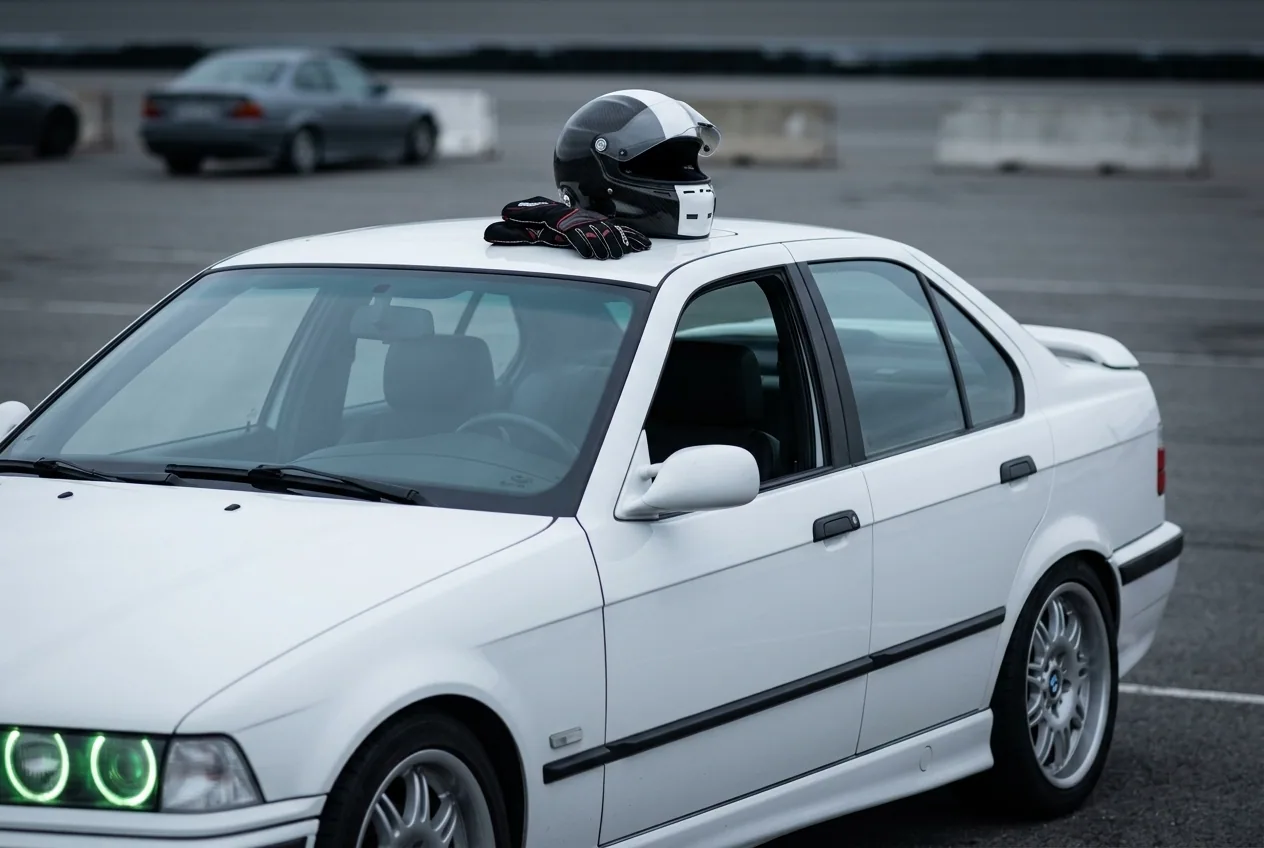
Not all students advance at the same pace, and that is perfectly fine. There are factors that can accelerate your learning and others that slow it down. Understanding them helps set realistic expectations.
Prior driving experience: If you already drive manual with confidence, you have a huge advantage. Students who have never used a clutch need to spend part of the first class just getting familiar with the pedals before thinking about drifting. Automatic-only drivers are not at a disadvantage per se, but there is an extra step at the beginning.
Simulation gaming experience: It sounds like a joke but it is real. Students who have played drift simulators (Assetto Corsa, BeamNG) have better intuitive understanding of car dynamics. It is not the same as real experience — the physical sensation of G-forces is missing — but the concepts of counter-steering and throttle control are already in their heads.
Physical fitness: Drifting is physically demanding. Turning a competition steering wheel without power steering (some drift cars remove it for better feedback) for 60 minutes requires arm and core strength. Physically fit students tire less and maintain concentration longer.
Mindset: This is the most important and least obvious factor. Students who progress fastest are those who accept they will do things wrong at first. Perfectionists who get frustrated with every mistake progress slower because body tension prevents them from feeling the car. Relax, accept mistakes, and trust that your body will learn on its own if you let it.
Frequency: We said it before but it bears repeating. A student who comes every week progresses three times faster than one who comes every month. Muscle memory needs frequent repetition to form. If your budget does not allow weekly classes, at least do not let more than two weeks pass.
Real student stories
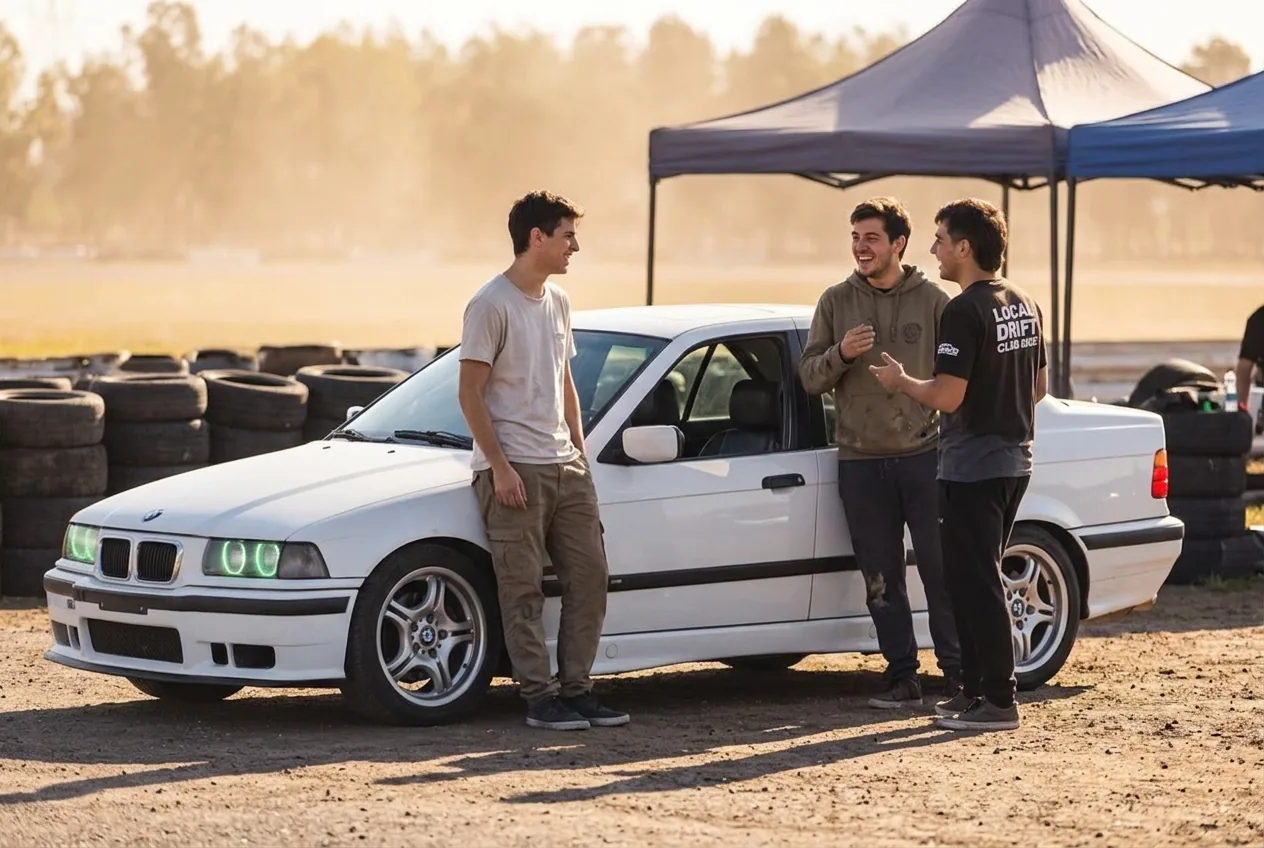
For concrete reference, here are three real cases from our school:
Martin, 28, engineer: Arrived with no track experience but drove manual daily. Did the Intro, loved it, signed up for Pro Driver Course. In 6 classes (one per week) he was doing clean transitions. Class 10 was his first tandem. Today he has his own E36 and goes to track days every two weeks.
Valentina, 34, designer: Never drove on track and only had an automatic license. First class was 50% learning manual and 50% basic drift. She needed 2 extra classes compared to average to reach transitions. But after that her progression was fast thanks to excellent coordination. In 12 classes she reached amateur competitive level.
Roberto, 52, business owner: Came to try something new for his birthday. No interest in competing, just wanted the experience. Did the Intro and two Experiences. Returns every month or two for a Pro Driver session because he enjoys it. Not interested in tandem or competition — he simply loves going sideways. And that is completely valid.
There are no shortcuts
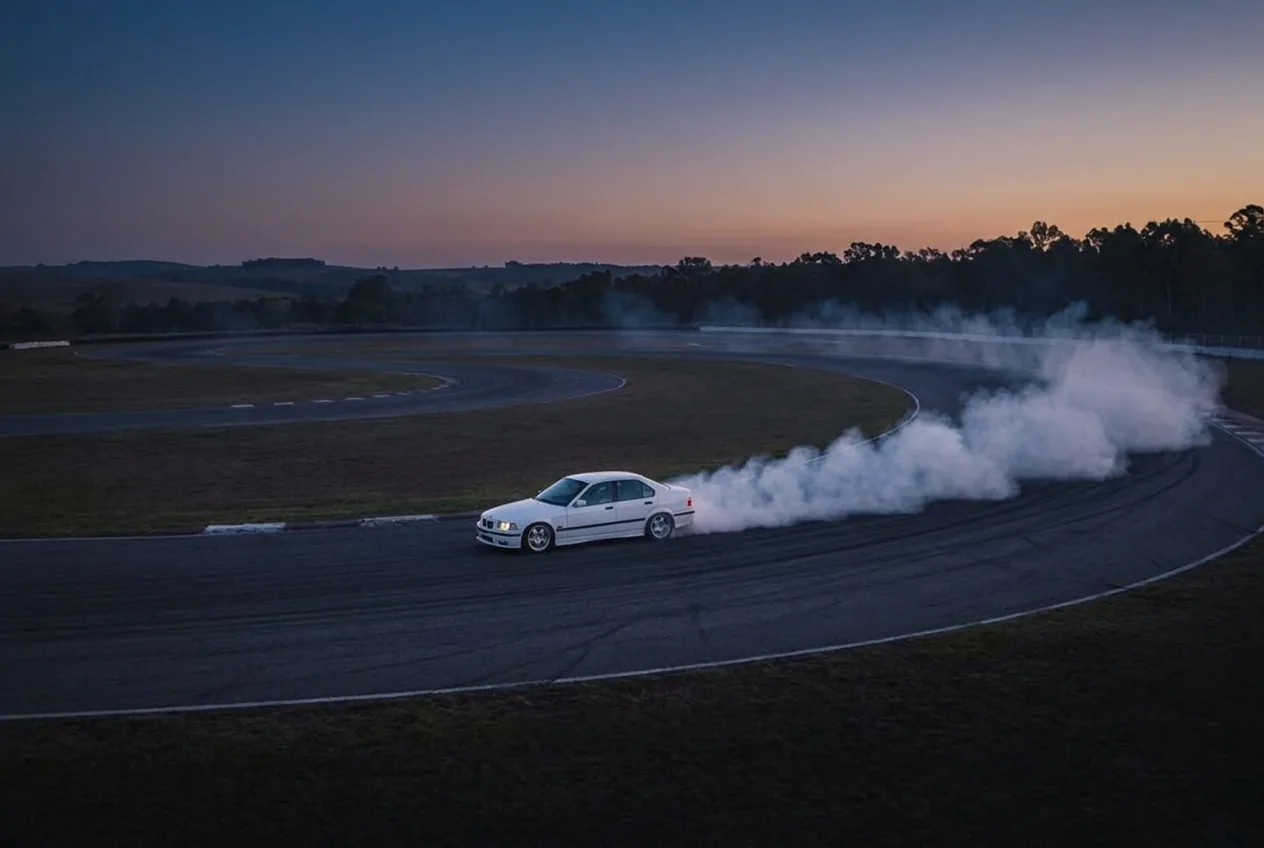
One final truth: there are no shortcuts in drifting. You cannot watch 100 YouTube videos and go out and drift. You cannot buy a 500 HP car and think power replaces technique. You cannot skip the progression because going "slow" bores you.
The best drifters in the world spent YEARS perfecting basic technique before seeking speed and spectacle. The foundation is everything. And building that foundation is exactly what we do in our classes.
Your first slide will be clumsy, short and unspectacular. But it will be YOURS. And on that first slide you will build everything else.
Discover what it is like to learn drifting in Buenos Aires and everything about the beginner drift course.
Book your first class at driftschool.com.ar and start building your path.
Frequently Asked Questions
What language are classes taught in?
Classes are in Spanish. The instructor has basic English for tourists. For Portuguese and Russian, we use visual support and practical demonstrations.
What happens if it rains?
Classes run rain or shine — drifting in wet conditions is part of learning. If you prefer to reschedule, let us know via WhatsApp 24h before.